
Disclaimer: This website provides health information for educational purposes only and is not a substitute for professional medical advice, diagnosis, or treatment. Always seek the guidance of a qualified healthcare provider with any questions you may have.
Sunflower lecithins are gaining recognition as a versatile additive in various industries. Originally cultivated for their seeds, sunflowers have found a new sphere of application. This article explores the utility, benefits, and intricacies of sunflower lecithins.
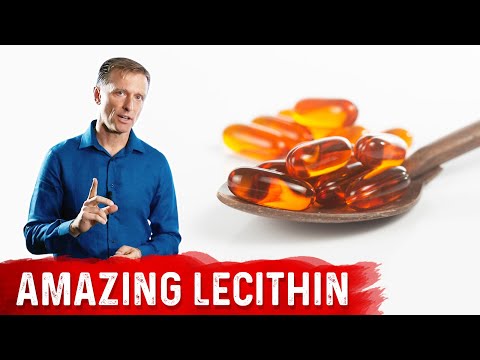
The rise in their popularity is attributed to their natural and non-GMO source. As consumers become more health conscious, there is an increased demand for more natural products. Sunflower lecithins perfectly match this demand due to their plant-based origin and absence of common allergens.
Apart from culinary uses, sunflower lecithins have found their way into cosmetics, pharmaceuticals, and many other consumer products. With these growing applications, understanding sunflower lecithins’ benefits and limitations becomes imperative. This article delves into their significance across industries.
What are Sunflower Lecithins?
Definition and Composition
Sunflower lecithins are a type of lipid that derive from sunflowers, composed primarily of phospholipids. These substances are crucial for forming cell membranes, ensuring the structural integrity of cells. Sunflower lecithins stand out due to their fatty acid composition, which influences their functional properties.
The processing yielding sunflower lecithins involves mechanical and solvent extraction methods. These ensure a high-quality emulsifier and additive, meeting the demands of various food and cosmetic uses. Notably, lecithins’ natural origin is an asset for consumers prioritizing non-GMO products.
The fatty acid profile of sunflower lecithins, which includes essential omega fatty acids, further enhances their nutritional value. This fact, coupled with their versatile applications, makes them a preferred choice over synthetic alternatives. They align perfectly with the concept of ‘clean label’ products in the food industry.
Sources and Extraction Process
The extraction process of sunflower lecithins involves cold pressing and solvent extraction. This method retains the natural qualities and eliminates the need for chemical alteration, ensuring a pure product. The process’s efficiency allows for a broad spectrum of applications from a single source.
Unlike soy lecithins, sunflower lecithins boast significant advantages due to their allergen-free properties and non-GMO assurance. This makes them a preferable alternative for sensitive consumers and those with dietary restrictions. The sustainable cultivation of sunflowers adds an environmental advantage to their extraction.
The solvent extraction technique maximizes yield without compromising quality. The dual processes effectively separate oils and lecithins, delivering high-performance ingredients for the food, beauty, and health sectors. This method ensures consistency and reliability in product formulation.
Difference from Other Lecithins
Sunflower lecithins differ from soy and egg lecithins primarily through their source and allergen profile. While soy lecithins might provoke allergies, sunflower variants offer a safe alternative without GMO concerns. Additionally, sunflower lecithins fulfill organic and vegan criteria.
Being free from common allergens is a significant advantage. The growing avoidance of certain allergens in diets makes sunflower lecithins a valuable substitute. This factor bolsters their appeal to health-conscious consumers aiming for safer consumption.
The extraction process distinguishes them from other lecithins, maintaining a pure form that requires no chemical modification. This natural approach ensures that they remain a preferred choice in clean label products. Their unique composition also endows them with exceptional emulsifying qualities.
Physical and Chemical Properties
Sunflower lecithins possess a unique blend of chemical and physical properties. They are amphiphilic, meaning they contain both hydrophilic and lipophilic groups, allowing them to act as emulsifiers. This characteristic is pivotal in product formulations where oil and water components need to be combined.
The chemical stability and resistance to oxidative degradation make them an excellent choice for various industrial applications. Their phospholipid content enhances their functionality in maintaining the softness and smoothness of food products. This property boosts their applications in emulsifying capabilities for foods and cosmetics alike.
Lecithins’ role in improving bioavailability opens new horizons for nutritional applications. They facilitate the incorporation of oils and fats into water-based formulations while ensuring product stability. This quality is highly desired in nutraceuticals and dietary supplements to efficiently deliver nutrients.
Applications in Everyday Products
Sunflower lecithins are extensively used across various consumer products, from foods to cosmetics. They serve as natural emulsifiers in products like chocolates, bakery items, and margarines, providing texture and consistency. In cosmetics, they contribute to moisturizing properties and improve product spreadability.
The role of lecithins in pharmaceuticals cannot be overstated, where they aid in the creation of stable emulsions for encapsulating drugs. Their use ensures that active ingredients are evenly distributed for maximum efficacy. This is crucial in formulations such as creams, lotions, and capsules.
In the food industry, sunflower lecithins are a key ingredient in producing processed foods. Their emulsifying properties enhance ingredient blending, leading to consistent taste and texture. Their widespread acceptance confirms their vital role in modern food manufacturing.
What are the Benefits of Using Sunflower Lecithins?
Health Benefits
The health benefits of sunflower lecithins are comprehensive, supporting both physical health and wellness. They promote cardiovascular health, potentially lowering cholesterol levels, contributing to overall heart well-being. Additionally, sunflower lecithins aid in cell membrane protection due to their phospholipid content.
Lecithins enhance cognitive functions and support liver health, catering to a wide range of health-conscious individuals. Their inclusion in dietary supplements as a source of essential fatty acids can improve nutritional intake. This aspect is increasingly appealing as dietary habits continue to shift towards more sustainable options.
Beyond these notable benefits, lecithins bolster skin health by maintaining hydration and elasticity. This has positively influenced their use in both the food industry and cosmetic formulations. As natural emulsifiers, they allow for innovative health product developments.
Sunflower lecithins have emerged as a versatile and valuable ingredient across multiple industries. Their natural, non-GMO origin, allergen-free profile, and functional properties make them a preferred choice for food, cosmetic, and pharmaceutical applications. Beyond their technical benefits as emulsifiers, sunflower lecithins contribute to health and wellness, supporting cardiovascular, cognitive, and skin health. As consumer demand continues to favor plant-based and clean-label products, sunflower lecithins stand out as a sustainable, effective, and multifunctional solution for modern formulations.